
Pay in installments with TorobPay
4 installments, no fee
No guarantor, no cheque
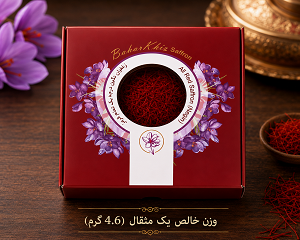
2495000 Toman

2495000 Toman

2495000 Toman
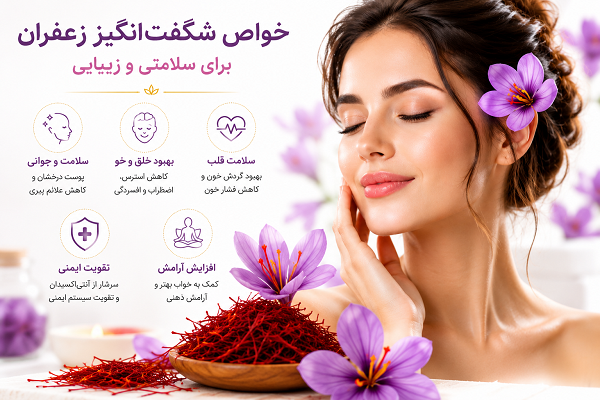
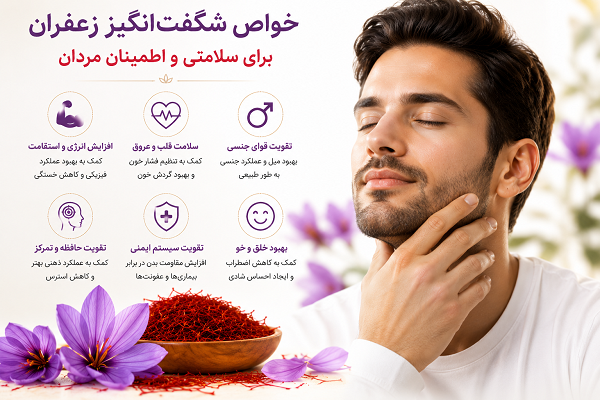
This article looks at saffron and health, from mood and stress to the heart, skin, and sleep.
Saffron is one of the world's best-known and most valued spices, prized in cooking for its golden color, unique aroma, and pleasant taste. Its use is not limited to scent and color: it contains bioactive compounds that studies have found promising for some aspects of health.
Crocin, crocetin, safranal, and picrocrocin are among saffron's main compounds. Some are antioxidant and anti-inflammatory and may play a role in cell, nerve, and organ health.
Saffron can be used in food, sweets, and drinks such as saffron tea. This article introduces its main properties.
Saffron comes from the stigmas of the saffron flower, scientific name Crocus sativus Each flower has only a few stigma threads, and together with the hard harvest this makes saffron one of the world's most expensive spices.
To learn more about this plant, see the page Saffron on Wikipedia See it.
Saffron has long been used in different cultures and traditional medicine, and many studies now look at its compounds and possible effects.
Some of saffron's properties come from its natural compounds:
Crocin: One of saffron's main pigments, with antioxidant properties
Crocetin: A carotenoid compound studied for antioxidant and anti-inflammatory effects.
Safranal: An aromatic compound that creates much of saffron's scent and has been studied for effects on the nervous system.
Picrocrocin: A compound that gives saffron its special taste and mild bitterness.
These compounds make saffron a valuable subject in nutrition and health research.
One of the best-known discussions is a possible link with mood. Studies of saffron supplements suggest its compounds may ease some symptoms of mild to moderate depression.
Crocin and safranal are among the compounds researchers focus on here.
Saffron should not replace medicine or medical care for depression. See a doctor if symptoms are lasting or severe.
Saffron has long been used as a calming substance. Some research has looked at possible effects on calm and anxiety.
A cup of saffron tea can be a warm, calming drink, especially with rest and a quiet setting.
One of saffron's main features is antioxidant compounds such as crocin, crocetin, and safranal.
Antioxidants help counter oxidative stress, which appears when free radicals and the body's defenses fall out of balance.
That is one of the main scientific reasons saffron draws attention in the diet.
Saffron's antioxidants have been studied for a possible effect on heart and vessel health.
Some research has looked at blood pressure, blood fats, and blood vessels. Saffron should not replace heart medicine or a doctor's treatment.
Saffron's carotenoids, especially crocin and crocetin, interest researchers working on eye health.
Some human studies of saffron and age-related vision have early promising results, but more research is needed before any treatment claim.
Another area of study is brain health and cognitive function.
Some research suggests saffron's antioxidants may protect nerve cells by lowering oxidative stress. Memory and cognitive decline have also been studied.
Some studies suggest saffron supplements may help reduce appetite and snacking.
One idea is that a possible effect on mood and stress could reduce emotional eating.
Saffron alone does not cause weight loss. Diet, activity, and lifestyle remain the main factors.
Saffron's active compounds, especially carotenoids and antioxidants, are studied for possible anti-inflammatory effects.
Chronic inflammation is linked to many health problems, so foods with anti-inflammatory compounds matter.
Traditional medicine used saffron for some digestive complaints, and its compounds have been studied for possible effects on digestion.
A moderate amount in food or tea can be part of a varied diet, but digestive disease needs medical care.
This applies to many claimed benefits: saffron should not replace medical treatment.
In human studies, one focus is saffron's effect on PMS symptoms.
Some research suggests a set amount of saffron supplement may ease irritability, mood changes, and pain.
Those results concern specific supplement doses and do not automatically apply to any amount of saffron tea.
Some studies have looked at a possible effect on sexual desire and function in women and men.
Some results are promising, but a definite treatment effect needs more and better studies.
Antioxidants in saffron are one reason it is discussed for general health and the body's defenses.
Immunity does not depend on one food. Sleep, a balanced diet, activity, and nutrients matter more.
Saffron's antioxidants can protect cells against oxidative stress.
That is why saffron is also discussed for skin health, environmental damage, and skin aging.
Even so, eating saffron should not be treated as a cure for skin disease.
Calm and less stress can help sleep. Some research has looked at saffron compounds and sleep quality.
Saffron tea without much sugar can be a warm drink for the end of the day.
Free radicals can damage cell structures. Antioxidants in saffron help neutralize some of them.
Its antioxidant property is therefore one of its main features in scientific research.
Laboratory research has looked at crocin and other saffron compounds and cancer cells.
Some lab and animal studies look promising for slowing certain cancer cells, but that does not prove saffron treats cancer in people.
Do not use saffron as a cancer treatment. People with cancer should continue medical care as their doctor advises.
Saffron's antioxidants have been studied for a possible role in protecting cells and lowering oxidative stress.
Claims such as a guaranteed liver detox or curing liver disease need solid clinical evidence and should not be stated as fact.
Saffron contains some minerals, but the amount in a usual cup of tea is very small.
For bone strength, prioritize calcium, vitamin D, protein, and activity rather than relying on saffron.
In small amounts, saffron can be part of a varied diet. Its antioxidants, active compounds, aroma, and taste give it a special place in many people's food.
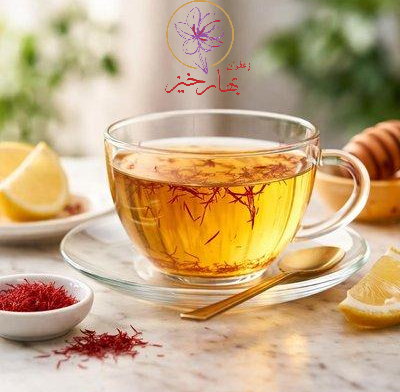
One of the simplest ways to use saffron is to make tea with it.
The golden color, special aroma, and gentle taste make saffron tea pleasant as well as nutritious. You can add a little rose water, cardamom, cinnamon, or honey.
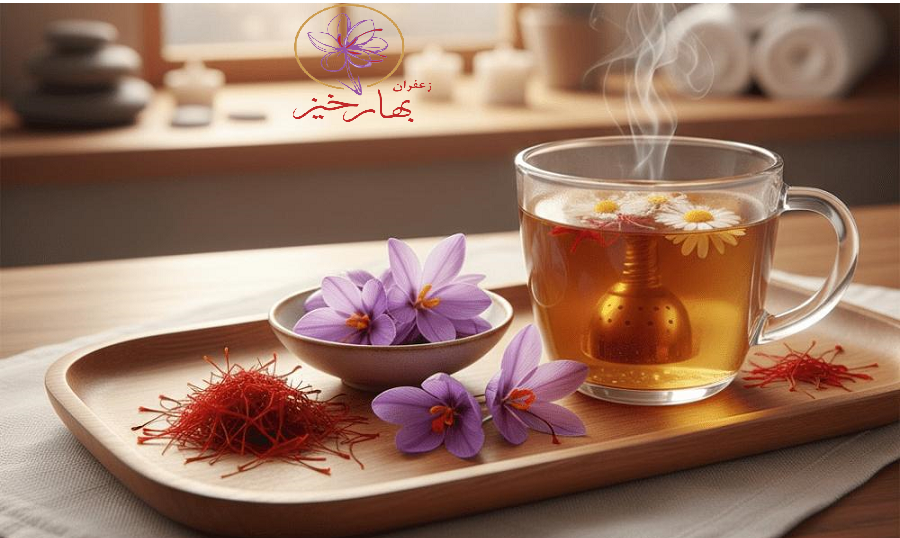
For a simple saffron tea, follow these steps:
Gently grind or crush a small amount of good saffron threads.
Put the saffron in a cup or a small pot.
Add some hot water.
Let it brew for about 10 to 15 minutes so the color and aroma develop.
If you like, add a little honey, rose water, or cardamom.
Another common method is to grind saffron and put a little ice on it so the color releases as the ice melts.
Possible benefits aside, use saffron in moderation. Very large amounts can cause nausea, vomiting, dizziness, headache, and other problems.
People on specific medicines or with a medical condition should ask a doctor or pharmacist before large amounts or supplements.
A usual food amount is not the same as a large amount or a concentrated supplement. Because high doses in pregnancy are a concern, pregnant women should avoid large amounts and supplements unless their doctor agrees.
Many claimed benefits rest on laboratory, animal, or limited human studies. It is better to say "may help" or "in some studies," and not to treat saffron as a substitute for medicine.
Besides being a precious spice and an important part of Iranian food culture, saffron is studied for compounds such as crocin, crocetin, safranal, and picrocrocin.
Important areas of saffron research include mood, stress and anxiety, antioxidant activity, eye health, brain and memory, heart and vessels, appetite, inflammation, and some premenstrual symptoms among others.
Saffron is a valuable food, not a replacement for medical treatment. The best use is a moderate amount alongside a healthy diet and lifestyle.
.
